RV Driveability – Top Four Things to Know
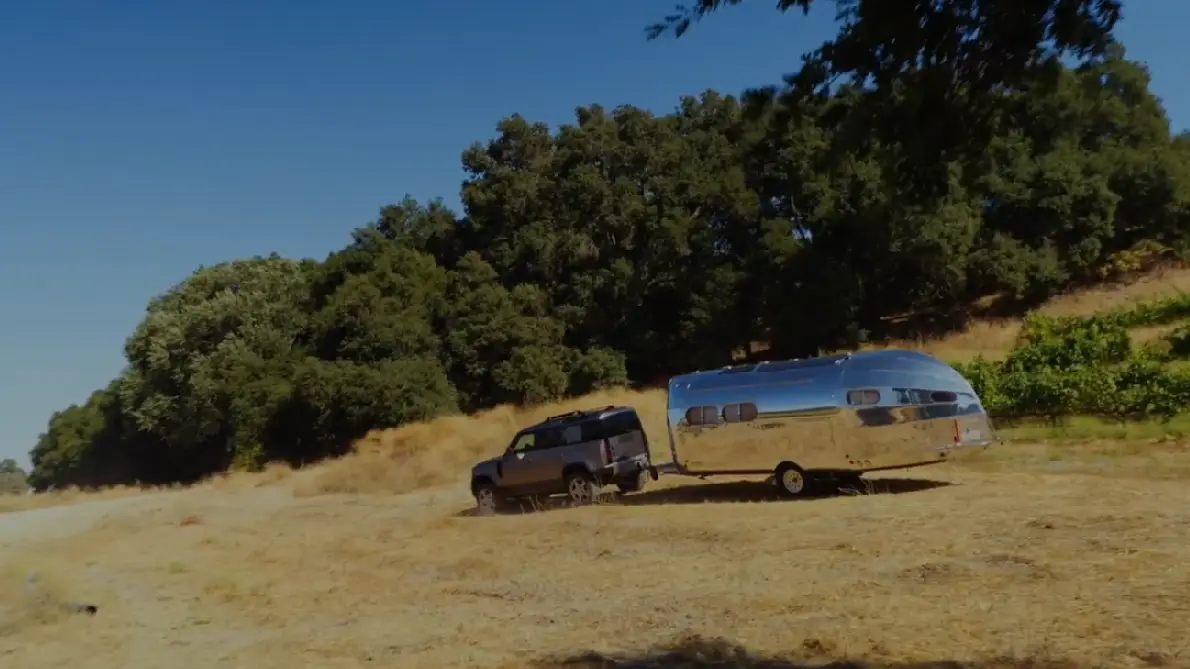
Understanding RV Drivability: Center of Gravity, Shape, and Weight
In this video, we explore how important factors like center of gravity, shape, width, and weight impact the stability and drivability of your RV or travel trailer. We’ll discuss why a lower center of gravity improves handling, especially during quick lane changes or in high winds, and how a higher center of gravity can pose challenges, even in mild weather. You’ll also learn how to spot potential stability issues just by looking at your RV!
We’ll cover the importance of aerodynamics and how large, boxy shapes like Sprinter vans or other traditional RVs create driver fatigue due to wind resistance. You’ll see why sleek, aerodynamic designs like the Bowlus make a big difference in handling, particularly in crosswinds or emergency maneuvers.
We also dive into the impact of width and how it can make a difference in visibility, parking, and overall stress at fuel stops. Finally, we’ll explain why the weight of your RV matters, and how lighter travel trailers, like the Bowlus, offer significant benefits in terms of power, handling, and fuel efficiency.
If you’re considering an RV or travel trailer, or if you’re looking to improve your current setup, this video is packed with useful tips and insights to help you enjoy a smoother, safer driving experience! Don’t forget to like, comment, and subscribe for more RV tips and travel stories!
FAQs
Video Transcript
Hi, I’m Geneva Long, CEO of Bowlus, and today we’re going to talk all about driveability with RVs and the top four things you need to know before selecting your next RV! So let’s start here with the top four things you need to know which are: center of gravity, shape, width, and weight.
Let’s get started with center of gravity! So understanding how a low center of gravity on your RV contributes to better stability while driving is so important. It’s important for general handling like quick lane changes on the highways, driving in high winds, the higher the center of gravity the more challenges, and these challenges of course magnify in high winds and poor weather conditions. So how do you eyeball a high center of gravity? So on the outside of the RV, there’ll be a number of steps that you need to climb. On a Bowlus, you’ll only find one. And then you’ll also probably find a heavy air conditioner on the roof, and with Bowlus, our air conditioner is not on the roof. You’ll also see lots of upper cabinetry, and that higher center of gravity means that it will also be more claustrophobic inside because you’ll have a bunch of cabinets up top and you’ll have that weight higher up top.
And how serious is this? We’ve had owners who’ve rented travel trailers, loaded it with lots of gear hoping for that cross country trip to drop kids off at college, go mountain biking, having that specific use case, and then end up being pulled over because of poor driving because of handling or what they call sway. And that’s both scary and also embarrassing. With something like a Bowlus, you have that low center of gravity which gives you great handling and that also then means that because it’s balanced you don’t need anti-sway bars to tow your Bowlus. This is the only setup you need with that 2″ ball, safety cable, seven pin, and breakaway cable. So it also means it you can hitch it in under a minute. A whole part of the idea of having that low center of gravity.
Now Shape: the second consideration is shape and size. So most RVs are really white boxes, so big rectangles, like Class B Vans, Sprinter Vans or RVs, travel trailers in shapes of bricks or as they call them “bread boxes” obviously contribute to driver fatigue because the flat sides fight wind. So basically, the wind just slams against the flat side of those white boxes. But because the Bowlus is so aerodynamic, and you can really appreciate the curve, which goes under and all the way up to the top there’s actually a very small amount of of flat surface in the Bowlus—it’s about from that rivet line to that rivet line, about 3 feet. And that dynamic shape helps the Bowlus handle superbly in crosswinds, emergency maneuvers, mountain passes, all of that.
Now the third consideration that’s important is width, and so the Bowlus is the same width as your tow vehicle, it’s 80 inches wide. And so while getting a wider RV might seem like an a great idea because it actually provides you with some more width on the inside, that’s a trade off. So it’s going to mean it’s not going to be handling as well; you’re going to have to make wider turns. With a Bowlus that’s the same width as your tow vehicle, your RV tire treads follow in the same tire treads as your tow vehicle, so that means you don’t need extension mirrors, you don’t have challenges when parking, no challenges at tight fuel stops.
We’ve had a handful of former other aluminum trailer owners that confess to a dent or two when not turning wide enough at the gas pumps, but with something like a Bowlus you have a clear path of vision down both sides from your mirrors, and then again like I said, because it tracks behind your vehicle you’re safe in the knowledge that you can pass through the same narrow passages that your vehicle can. Even doing u-turns on a two-lane highway or two-lane road are definitely possible because of that tighter turning radius.
Then the last consideration is weight as it relates to drivability. I’m sure we’ve all at some point been tempted by an RV washer dryer combo, faux fireplace, room to bring everything you think you might need, but in reality when you keep adding everything and keep adding more volume, it’s going to get heavier and you know that means you’re going to limit the type of decisions you can make about where you can camp, where you can travel and the type of experience you’re going to have. So you’re actually going to limit your performance by getting that bigger RV that has more space, more weight.
And a large heavy travel trailer also means that you’re going to need a big pickup as your tow vehicle. Maybe you want one and that’s fine, but it’s definitely another expense, another vehicle to maintain, and if you want the mileage flexibility and handling of a crossover SUV, or even EV, certainly the Bowlus is a great pick for that. And remember, you’re likely going to be spending time driving and you want to be as comfortable as possible and have a car that’s also just simply fun to drive. Lower weight travel trailers, like the Bowlus, also deliver advantages because it’s lighter, so you know you have faster acceleration, faster breaking compared to other RVs; you can merge and you can change lanes more safely than compared to other types of RVs you might be driving.
So that summarizes my main four points about drivability. Let me know if you have anything else to add in the comments and if you have any questions feel free to contact us at www.bowlus.com or sales@bowlus.com.