Are RV slide-outs really worth it? The real drawbacks of RV slide-outs
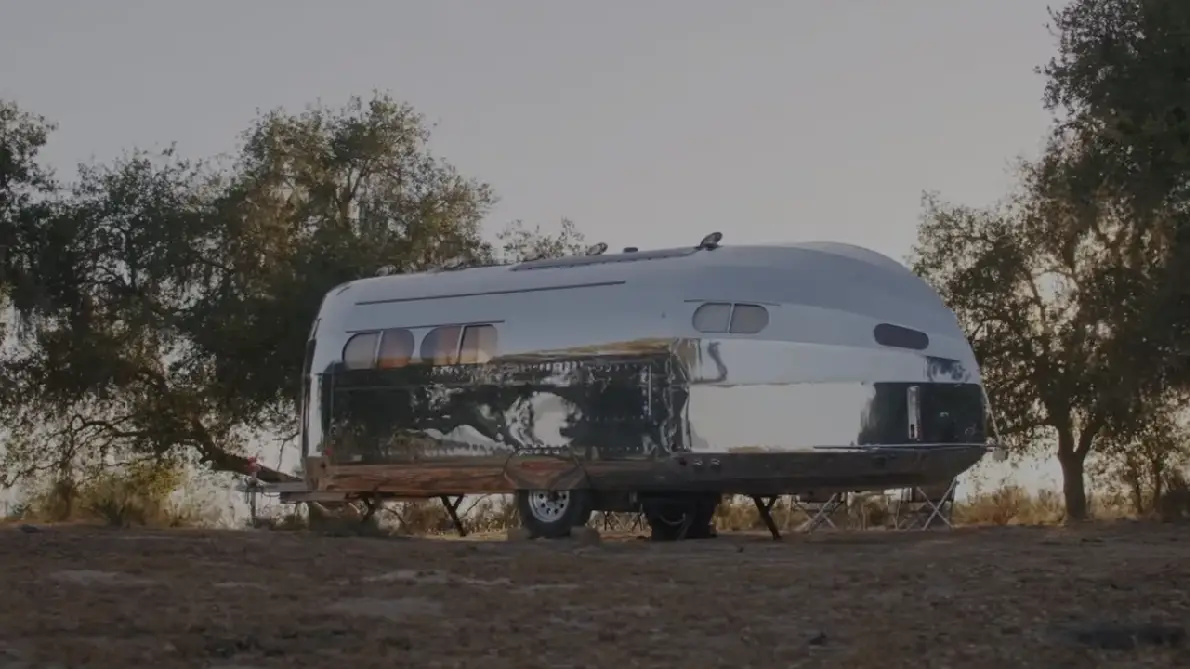
In this video, we break down the real drawbacks of RV slide outs, from campsite limitations to costly repairs, and explain why a Bowlus is the superior alternative.
Are RV slide-outs really worth it? While they promise extra space, the reality often brings maintenance headaches, leaks, and mechanical failures. Plus, they add weight, require extra setup time, and can make quick stops or boondocking more challenging.
At Bowlus, we take a different approach. Our luxury, lightweight, and aerodynamic RVs are designed to maximize space without the need for slide outs—giving you ultimate freedom, durability, and ease of travel.
What You’ll Learn:
✅ The hidden downsides of RV slide outs
✅ Why slide outs can make travel more difficult
✅ How Bowlus designs make every inch of space count
✅ The benefits of a lightweight, high-quality RV experience
FAQs
Video Transcript
Hi, I’m Geneva, CEO of Bowlus. One of the biggest items you’ll see advertised in the RV world are slideouts. Whether you’re talking about a motorhome, fifth wheel, or travel trailer, RV slideouts are most commonly found in the bedroom and living spaces. There are also slides that can increase the ceiling height. With slides, RV owners can expand their interior footprint, or at least that’s the idea. The reality is often very different. Dig a little deeper into the pros and cons of slideouts and you’ll see that the disadvantages outweigh the benefits of any added space. Slideouts require additional maintenance and upkeep to keep their moving parts moving and are notorious for leaking. At Bowlus, we don’t have slideouts because we believe high-quality, lightweight, aerodynamic RVs best serve you in terms of customer experience and ease and variety of travel. This was a conscious decision. Come along to understand more.
There’s no denying that a slideout can provide you additional interior square footage, but to get to that extra room, you’ll need to actually have a campsite wide enough to extend your camper. That means your nice wooded campsite could be a nightmare if there’s a tree where you need your slideout to be. Same goes for poles or your electrical or water hookups. You’ll need to consider your neighbors as well; your slides can encroach on their campsite. And what about your awning? Can you extend both your slides and your awning at the same time? All of these things can be especially problematic if you’re in a narrower campsite like those often found in older campgrounds and National and State Parks, or if you have more than one slide to extend.
For all of these reasons, RVs with slideouts require additional setup and teardown time. It’s not just a case of backing it in and finding the most level part of the site. With slideouts, you’ll need to be prepared to jockey your RV around on your site so you can fully extend your slides, and then you have to hope that you can get things level because if your rig isn’t level, you may have issues moving the slides in and out. At Bowlus, we’ve chosen a different path. Rather than throw in a slideout, our aluminum campers are impeccably designed to make the most of interior space. Our unique storage solutions—yours and mine closets, ample cupboards, drawers, and a flexible master suite—were created with functionality in mind. And without a slide, you can park your Bowlus just about anywhere. We preserve that strength of the monocoque design that wraps the entire exterior in aircraft-grade aluminum.
Units without slideouts, like all of our Bowlus models—the Bowlus Rivet and the Endless Highways—have a leg up over units with slides when they’re on the road, too. RVs are simply not designed to be used when the slides are in. That often renders the interior of your unit useless. Not so with a Bowlus. Our well-designed floor plan creates a luxurious and easily accessible space no matter where you’re parked. If you’re considering an RV that has slides, make sure when you’re considering it you look at what the RV is like with the slides in. That just might be how you need to use it.
One benefit to RVing is that you can stop in a rest stop or parking lot, pop into your camper, and have a quick homemade lunch. But in a rig with slideouts, that can be a lot harder. When not extended, slideouts often block cupboards, bathrooms, the fridge, and walkways. Even at a remote mountain rest stop, there’s often not enough room to extend your slides. There are similar issues if you want to boondock for a night at an off-grid spot before hitting the road bright and early the next day. In a rig without slideouts, if you can’t get into the bed or necessary closets with the slides in, your easy overnight stop becomes a lot more involved. And if you’re near a road, remember that your slideouts can never block the flow of traffic.
RV slideouts are heavy, too. Some add upwards of 1,000 pounds of extra weight to a camper. That adds to the dry weight of your rig and means you’ll need a larger tow vehicle. One of the advantages to a unit like those made here at Bowlus is that without a slide, your unit’s light enough to be towed with a small SUV or crossover. Now, most of the issues we’ve talked about so far are inconveniences—some minor, some major—but there’s a number of problems with slideouts that can render your camper useless. The primary culprit is that slideouts are heavy mechanical objects that can break. Think of the number of times you’ll move a slide in and out over the lifetime of your RV. Consider that every time you move it down the road at 60 miles per hour, it’s in for a bumpy ride.
Mechanical issues are inevitable, whether it’s an electric slide, hydraulic slide, or cable slide. Even if the slide is well-built and well-maintained, gears wear down, electric motors lose power, hydraulic systems fail, and the slide can go out of alignment. When a slide mechanism breaks, you’ve got a real problem. If the mechanism fails while the slides are in, it’s easy enough to get to the shop, although of course it’s bound to ruin your trip. But if the slides won’t retract, you’re stuck. If you’re lucky, your rig came with a hand crank and you can manually pull your slides in, but if not, you’ll have to find an RV repair shop or mechanic who can either come to you or can transport your camper to their shop, where they hopefully have the necessary slideout parts for the repair. You can’t pull an RV with slides extended as you’ll be too wide for the road, so be prepared to spend both time and money on the fix.
Water leaks are also some of the biggest issues cited by people with slideout systems. They can be notoriously hard to trace. RV slideout seals wear out over time, and they degrade even faster if the unit is stored outside in the elements. Some water leaks can be traced to an improperly installed slide, which means the whole thing may need to be removed and reset. It also means you might solve one leak only to create two more and a draft if the slideout seals aren’t reinstalled properly.
Unlike RVs that have to resort to adding a slideout to make the space functional, Bowlus luxury RVs are built with functionality, beauty, and longevity in mind. Our high-end travel trailers are handcrafted to meet the most exacting standards and to last for a lifetime of adventures. We think it’s clear you don’t need a slideout and all the accompanying challenges when you can travel in a Bowlus. Thank you so much for watching this video. I hope it was helpful for you. If you have any questions, please contact our helpful sales team and it would be our pleasure to talk more about the Bowlus. You can reach us at www.bowlus.com, sales@bowlus.com, or 805-568-7452. If you enjoyed this video, don’t forget to like and subscribe so you never miss a new one. Thank you.