What Does Off Grid Camping Mean
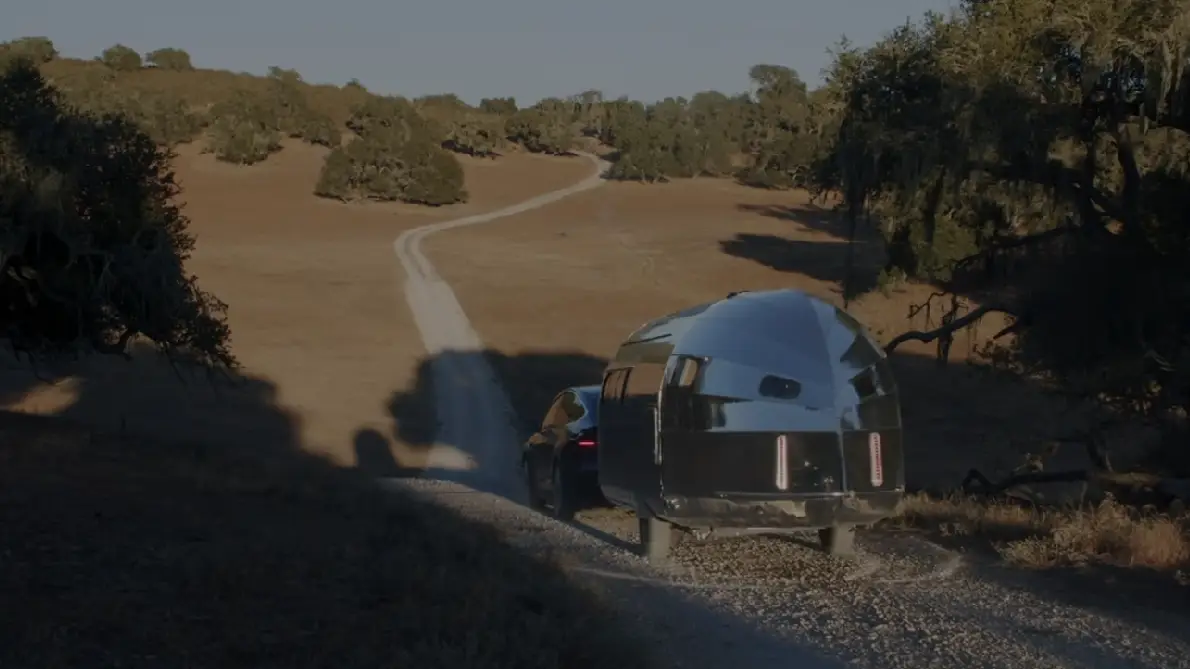
Tired of overcrowded RV parks and hard-to-book campsites?
Off-grid camping offers the freedom to explore remote, stunning locations—without relying on traditional hookups. In this video, we break down what off-grid camping really means, where you can go, and why the right travel trailer makes all the difference.
At Bowlus, we design the world’s most advanced off-grid travel trailers—so you can explore further, stay longer, and enjoy luxury wherever the road takes you. With industry-leading battery life, solar capability, and all-electric systems, every Bowlus is engineered for true off-grid performance.
Learn how Bowlus compares to traditional RVs, why off-road isn’t the same as off-grid, and how to unlock a new level of independence and comfort on your adventures.
FAQs
Video Transcript
Hi, I’m Geneva Long, CEO of Bowlus, and today we’re talking about off grid camping. Now, when we talk about off grid camping, we’re talking about flexibility and freedom. Freedom from crowded campsites, from noisy neighbors, from relying on hookups and campground reservations. Off grid camping, sometimes called boondocking or dispersed camping, lets you connect with nature on your own terms, anywhere your RV can take you. Off grid camping often includes options like harvest house and hip camp, beautiful properties and destinations that generally don’t offer hookups.
So what does off grid camping actually mean? It means camping without being connected to traditional campground utilities like electricity, water or sewer. You’re not relying on the grid. You bring everything you need with you, including power, water and connectivity. This is very different from the typical RV campground experience.
We hear from a lot of Bowlus owners that many traditional campgrounds are often overcrowded, poorly maintained and tough to book. If you’ve ever tried to get a weekend reservation during peak season, you already know it can be frustrating. So here’s the good news. Off grid campsites are everywhere. State and national parks, national forests, Bureau of Land Management land.
They offer countless dispersed camping options. There are spots that aren’t even part of a formal campground, and they’re often free, first come, first serve, and located in some of the most beautiful untouched areas of the country. But to access them, you’ll need an off grid capable RV. And that’s where most traditional RVs fall short. RV companies are increasingly starting to advertise off grid capabilities.
But critical systems like your air conditioner simply won’t work off grid with a traditional RV unless you run a noisy generator. Now, it’s important not to confuse off road with off grid. Off road refers to where your trailer can go, gravel roads, rugged terrain, etc. Off grid is all about how long you can stay comfortably once you’re there. The Bolas has high ground clearance, aircraft grade aluminum shell and top notch construction, making it the ultimate travel partner for Alaska or Newfoundland’s rough gravel roads.
But the Bolas is not built for extreme off roading or bouldering. In fact, very few RVs on the market today are built for this. Some brands advertise off road packages, but they’re useless if your trailer can’t operate without hookups. Off grid capability is all about power storage, solar charging, water efficiency, and having the right systems on board. Bolas is the gold standard in off grid camping.
Every Bowlus is designed to be fully self sufficient with large lithium batteries, the Bowlus power management system, solar charging, and highly efficient appliances. That are designed to run off the batteries for extended periods of time. You can camp off grid for multiple weeks with no need to plug in. And because bolus trailers are lightweight and built for performance, you can access those remote campsites that bulky RVs just can’t reach. You also get all the luxury you expect heated floors, separate bedroom with a king bed, a real bathroom with hot water, and even the ability to work remotely from anywhere thanks to satellite ready connectivity.
Off grid camping is about experiencing the world on your own terms. It’s about going further, staying longer, and feeling more connected to nature and to yourself. And with a bolas, off grid isn’t just possible, it’s effortless. Do you have additional questions about off grid camping? Please drop them in the comments and we look forward to speaking with you.